24 posts on Python.
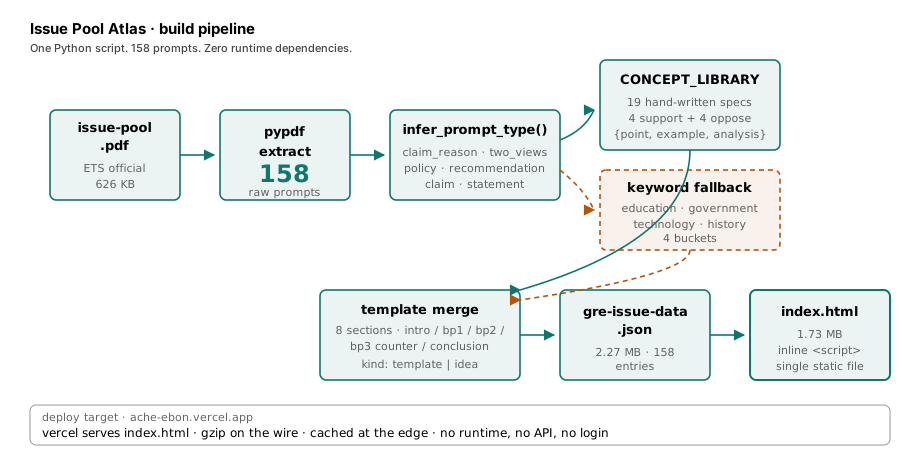
A GregMAT-style study card for every prompt in ETS's Analytical Writing Issue Pool. One Python script parses the pool PDF, classifies each prompt into 19 hand-authored concept templates, and bakes 2.2 MB of essay scaffolds into index.html.
A three-agent test harness that watches a Git repo, spins up a fresh Docker container per marked file, and lets an LLM simulate bad conditions like low storage, no network, and OOM.
Decision tree, k-means, Naive Bayes, neural network. Each one turned in twice, once in Python with sklearn and once in Java with Weka. The syllabus taught the model but not the tooling.
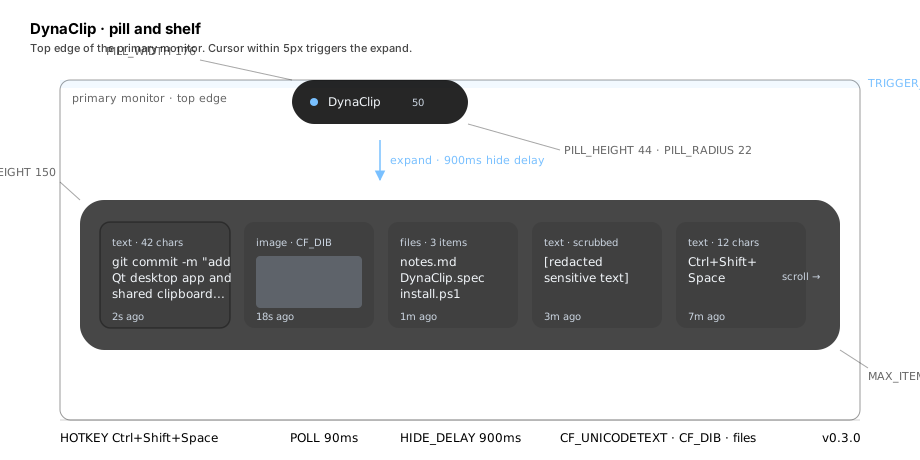
A pill that lives at the top edge of your monitor, expands into a searchable clipboard shelf, and holds up to 50 items in memory. Built in PySide6, shipped as a signed-ish 47 MB exe.
24 hours to build a support-ticket triage agent. The interesting parts weren't the retrieval. They were the fast-path rules in front of it and the regex grounding verifier behind it.
A 111-line Python CLI from 2022 that compared every pair of PDF pages by extracted text to find duplicates. Shipped as a 2.86 MB Windows .exe because friends kept asking me for a build.
A 110-line Selenium script that logs into the Cyberoam captive portal at 172.17.0.1:2280. Also a public repo where I committed my roll number as my password. Both are educational.
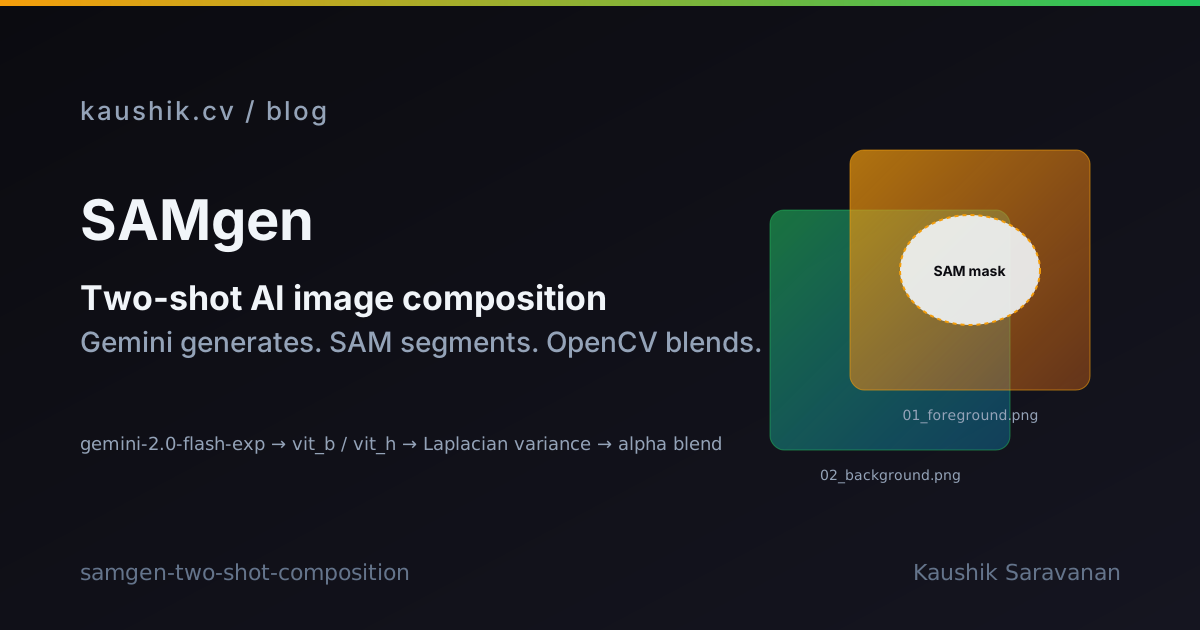
Generate the foreground and background separately, use Segment Anything to cut out the subject, and pick the sharpest mask by Laplacian variance. A one-commit pipeline of a couple thousand lines.
A 265-line Streamlit food-ordering demo. Users lived in MongoDB Atlas, orders lived in MySQL. Both connection strings were plaintext in main.py, in a public repo, since 2022. Also f-string SQL, because it was a lab.
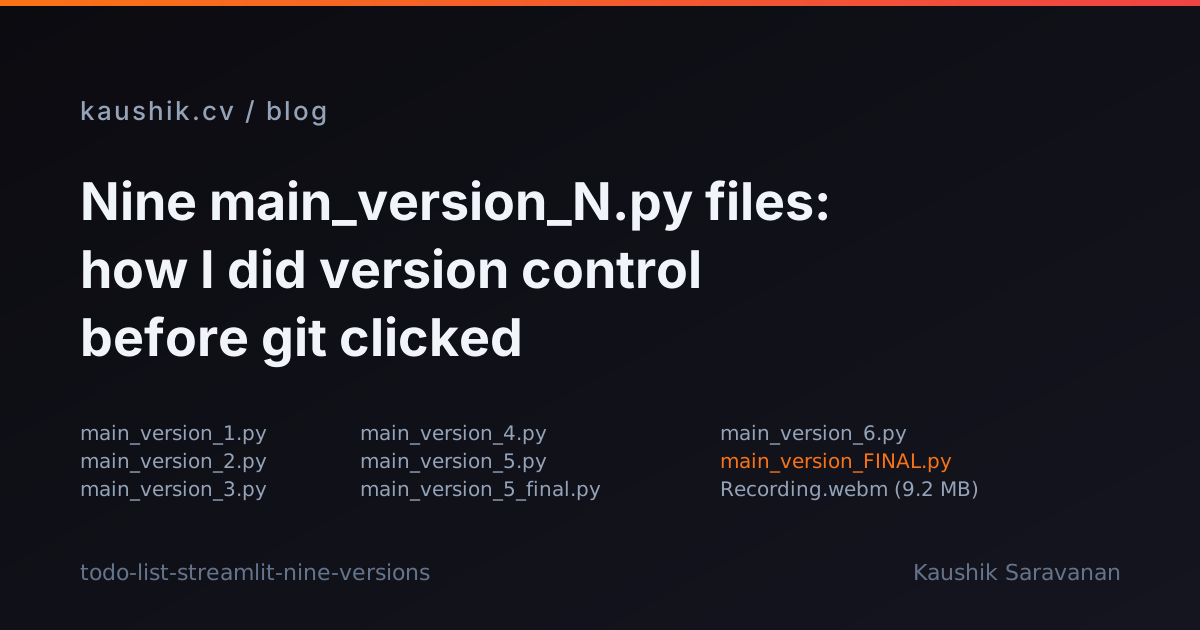
A Streamlit + MySQL to-do app built in 36 hours in April 2022. Twelve commits, nine numbered Python files, one 9 MB webm recording checked in, and a bug I had to solve because Streamlit reruns everything on every button press.
A 720-step autoscaling environment with hardcoded seeds, curriculum injections on the hard track, and a commit history dominated by stdout-format compliance.
Three 2022 repos: a scratch pad, a clean library that returns the heatMarkerRenderer triples, and a Selenium-driven demo that opens the peak clip in a new tab. What the intensity curve actually looks like decoded.
A memoir about the two earliest repos on my GitHub. A profile README with hostel-era wakatime badges, and a Discord bot for the ev.io skin rotation.
Before the Postgres vault and the HMAC certs, there was a Python library that read .env, sorted providers by free-tier priority, and rotated on 429.
Two projects both named Atomix. One a Python pipeline that turns a biography into a documentary. One a monorepo shell hosting four render apps.
A memoir about three single-file Python scripts I wrote in college to kill three specific annoyances. Nobody else was the user. That was the point.
Before the multimedia indexer, there were four scratch repos: a KPI dashboard, a Streamlit noise map, a HTML skeleton, and a coursework dump.
A tour of the CP infrastructure I built for myself from 2022 to 2026: a build system, a stats scraper, a notes vault, a Hacker Cup template, a return to CSES.
Four template repos on my GitHub, what each one saves me from re-deciding, and what one of them accidentally taught me about leaking credentials.
A tour of two dozen private repos I opened and mostly abandoned across eighteen months. What the shape of the arc says about how I actually work.
A pass through my PSG Tech coursework repos from 2022 to 2024. Which classes turned into real projects, which stayed on the shelf, which teachers I owe.
Notes on the twin pain of a serialized Python object that refuses to come back to life, and a Go program that wants a library nobody has written.
Signals that never fired, workers garbage-collected mid-run, QFileDialog freezing the event loop. Field notes from a PyQt5 UI on a media indexer.
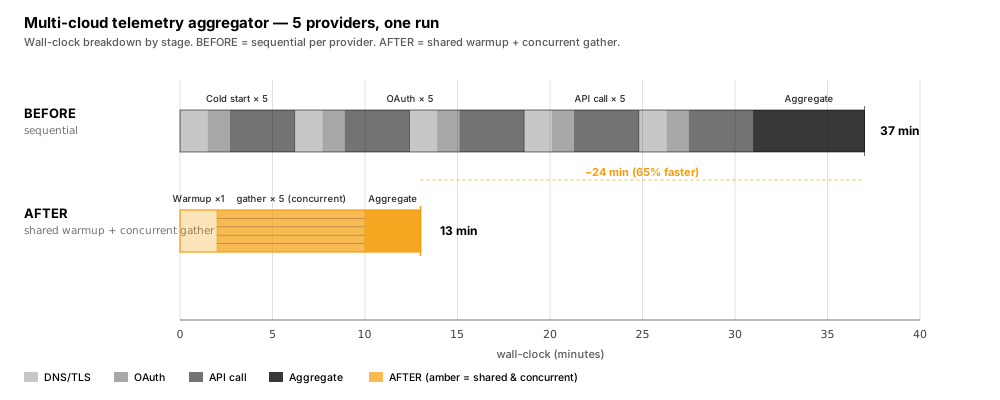
A FastAPI perf story from a 2024 SAP Labs internship. Async fan-out, one shared connection pool, and warm OAuth tokens cut a nightly batch from 76 to 13 min.